
"heat source"
2000 article(s) found

Evolution history of bean baking machine
At the beginning of the history of household roaster coffee, there were only household bean baking utensils in the world. These bean baking utensils were standard accessories in ordinary people's kitchens until the early 20th century. 16th century: the simple construction tool of the Iraqi baking pot is to move the pot to a small fire or a heat source on a coal fire.
Coffee roasting principle
To do a good job in baking, every production link can not be ignored, the selection of materials should be fastidious, the weighing of materials should be accurate, and the operation should be careful. Baking is a science. To understand the principle of baking, we must first understand the three ways of heat conduction, convection and radiation. Conduction refers to when the heat is transmitted by the heat source, causing the surrounding molecules to vibrate and release heat, gradually moving from the high temperature to the low temperature. Conduction of stainless steel
Roasting principle of boutique coffee: heat conduction, convection and radiation
To do a good job in baking, every production link can not be ignored, the selection of materials should be fastidious, the weighing of materials should be accurate, and the operation should be careful. Baking is a science. To understand the principle of baking, we must first understand the three ways of heat conduction, convection and radiation. Conduction refers to when the heat is transmitted by the heat source, causing the surrounding molecules to vibrate and release heat, gradually moving from the high temperature to the low temperature. Conduction of stainless steel

The principle and types of coffee roaster Italian blending of direct-fire, semi-hot and hot-air roaster
1. The earliest baking tools used by human beings are direct fire, that is, the drum is heated by fire, and then heat is transferred to the raw beans in the cylinder. Although, the motor keeps turning the drum and stirring the coffee beans in the cylinder, in an attempt to make each coffee bean touch the hot iron wall evenly, so as to achieve the goal of balanced baking. However, this baking method still has many disadvantages: the heat conduction rate of iron is not fast.

Principle of coffee bean roasting: heat conduction, convection and radiation
To do a good job in baking, every production link can not be ignored, the selection of materials should be fastidious, the weighing of materials should be accurate, and the operation should be careful. Baking is a science. To understand the principle of baking, we must first understand the three ways of heat conduction, convection and radiation. Conduction refers to when the heat is transmitted by the heat source, causing the surrounding molecules to vibrate and release heat, gradually moving from the high temperature to the low temperature. Conduction of stainless steel

Knowledge of heat conduction, convection and radiation in coffee roasting
To do a good job in baking, every production link can not be ignored, the selection of materials should be fastidious, the weighing of materials should be accurate, and the operation should be careful. Baking is a science. To understand the principle of baking, we must first understand the three ways of heat conduction, convection and radiation. Conduction refers to when the heat is transmitted by the heat source, causing the surrounding molecules to vibrate and release heat, gradually moving from the high temperature to the low temperature. Conduction of stainless steel
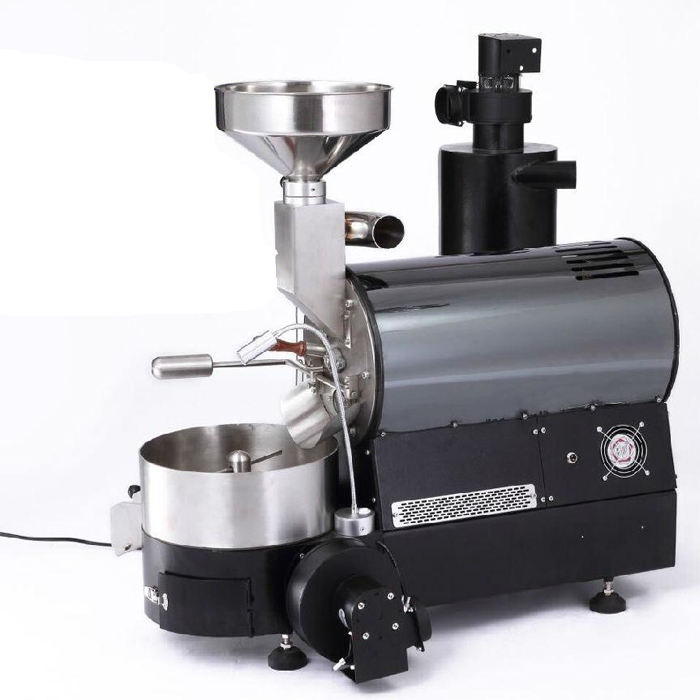
Coffee roaster: what are the specific categories of common coffee roasting machines?
1. Hot air coffee bean roaster the hot air roaster uses a blower to suck in air, then lets the air pass through a heating coil to raise its temperature, and uses hot air as a heating source to bake coffee beans. hot air can not only provide the temperature needed for baking, but also use the power of airflow to stir coffee beans, killing two birds with one stone. Advantages: high thermal efficiency, fast heating, heating ratio of raw beans

Step Analysis of Heat conduction, convection and radiation in Coffee roasting
To do a good job in baking, every production link can not be ignored, the selection of materials should be fastidious, the weighing of materials should be accurate, and the operation should be careful. Baking is a science. To understand the principle of baking, we must first understand the three ways of heat conduction, convection and radiation. Conduction refers to when the heat is transmitted by the heat source, causing the surrounding molecules to vibrate and release heat, gradually moving from the high temperature to the low temperature. Conduction of stainless steel
General knowledge of heat conduction, convection and radiation in coffee roasting
To do a good job in baking, every production link can not be ignored, the selection of materials should be fastidious, the weighing of materials should be accurate, and the operation should be careful. Baking is a science. To understand the principle of baking, we must first understand the three ways of heat conduction, convection and radiation. Conduction refers to when the heat is transmitted by the heat source, causing the surrounding molecules to vibrate and release heat, gradually moving from the high temperature to the low temperature. Conduction of stainless steel
Coffee roasting principle Fine Coffee basic knowledge of Coffee
To do a good job in baking, every production link can not be ignored, the selection of materials should be fastidious, the weighing of materials should be accurate, and the operation should be careful. Baking is a science. To understand the principle of baking, we must first understand the three ways of heat conduction, convection and radiation. Conduction refers to when the heat is transmitted by the heat source, causing the surrounding molecules to vibrate and release heat, gradually moving from the high temperature to the low temperature. Conduction of stainless steel

The difference between a mocha pot and a siphon pot how to use a siphon coffee maker with alcohol lamp heat source
Professional coffee knowledge exchange more coffee bean information please follow the coffee workshop (Wechat official account cafe_style) timeless siphon pot coffee explanation | siphon pot coffee principle and brewing suggestion for 10 years, has been resistant to other ways of cooking coffee, think it is not as pure and full-bodied as the mocha pot. Among several other options, feel siphon (Sy

The principle of coffee roasting the process of heat conduction, convection and radiation
To do a good job in baking, every production link can not be ignored, the selection of materials should be fastidious, the weighing of materials should be accurate, and the operation should be careful. Baking is a science. To understand the principle of baking, we must first understand the three ways of heat conduction, convection and radiation. Conduction refers to when the heat is transmitted by the heat source, causing the surrounding molecules to vibrate and release heat, gradually moving from the high temperature to the low temperature. Conduction of stainless steel

Introduction of coffee roaster
The roaster is mainly divided into four types: direct fire type, semi-hot air direct fire type, hot air type and electric type. 1. Direct fire is the earliest baking tool, that is, the raw beans are roasted by fire and then transferred to the drum. The built-in motor keeps running the drum and stirring the coffee beans in the drum, trying to make each coffee bean come into contact with the hot iron evenly to achieve the goal of balanced roasting.

Basic knowledge of coffee types of high-quality coffee roaster
The roaster is mainly divided into four types: direct fire type, semi-hot air direct fire type, hot air type and electric type. 1. Direct fire is the earliest baking tool, that is, the raw beans are roasted by fire and then transferred to the drum. The built-in motor keeps running the drum and stirring the coffee beans in the drum, trying to make each coffee bean come into contact with the hot iron evenly to achieve the goal of balanced roasting.

Coffee Roasting Principles Fine coffee beans Roasting common sense
To do a good job of baking, every production link can not be ignored, the selection of materials should be exquisite, the weighing of materials should be accurate, and the operation should be careful. Baking is a science. To understand how baking works, you must first understand heat conduction, convection, and radiation. Conduction is when heat is conducted from a heat source, causing the surrounding molecules to vibrate and emit heat, gradually moving from a high temperature to a low temperature. Conductivity of stainless steel
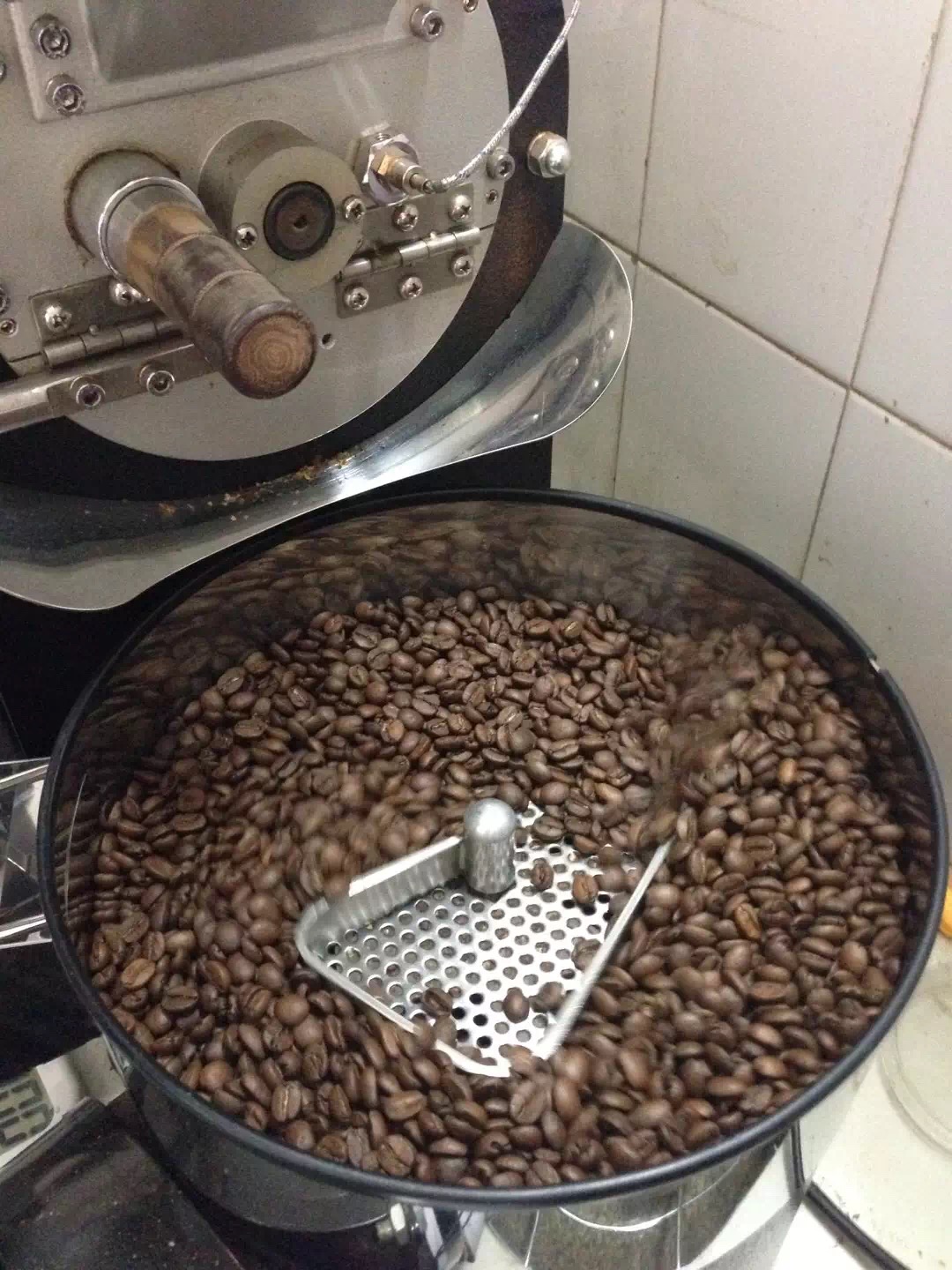
Coffee roasting principle: a detailed explanation of heat conduction, convection and radiation
Introduction: coffee roasting will face a variety of problems, only familiar with the roasting principle of coffee, continue to accumulate experience, coupled with improvisation, baristas can master superb skills. To do a good job in baking, every production link can not be ignored, the selection of materials should be fastidious, the weighing of materials should be accurate, and the operation should be careful. Baking is a science. To understand the principle of baking, you must first understand heat conduction,
Coffee gas baking with charcoal fire baking with infrared baking
According to the different heat sources used, the baking of coffee can be divided into gas baking, charcoal fire baking and infrared baking. One of the most commonly used is gas baking, the temperature is controlled between 200 Mel and 300 degrees Celsius, and the temperature should be adjusted from time to time according to the need. Most baking stoves use gas, the temperature is about 290 degrees, in the first 5 minutes, the free water is evaporated. Then, the residue

Baking principle of coffee beans roasting of fine coffee beans
To do a good job in baking, every production link can not be ignored, the selection of materials should be fastidious, the weighing of materials should be accurate, and the operation should be careful. Baking is a science. To understand the principle of baking, we must first understand the three ways of heat conduction, convection and radiation. Conduction refers to when the heat is transmitted by the heat source, causing the surrounding molecules to vibrate and release heat, gradually moving from the high temperature to the low temperature. Conduction of stainless steel
General knowledge of Fine Coffee the principle of roasting coffee beans
To do a good job in baking, every production link can not be ignored, the selection of materials should be fastidious, the weighing of materials should be accurate, and the operation should be careful. Baking is a science. To understand the principle of baking, we must first understand the three ways of heat conduction, convection and radiation. Conduction refers to when the heat is transmitted by the heat source, causing the surrounding molecules to vibrate and release heat, gradually moving from the high temperature to the low temperature. Conduction of stainless steel

Coffee roasting common sense coffee roasting should pay attention to several problems
To do a good job of baking, every production link can not be ignored, the selection of materials should be exquisite, the weighing of materials should be accurate, and the operation should be careful. Baking is a science. To understand how baking works, you must first understand heat conduction, convection, and radiation. Conduction is when heat is conducted from a heat source, causing the surrounding molecules to vibrate and emit heat, gradually moving from a high temperature to a low temperature. Stainless steel transmission